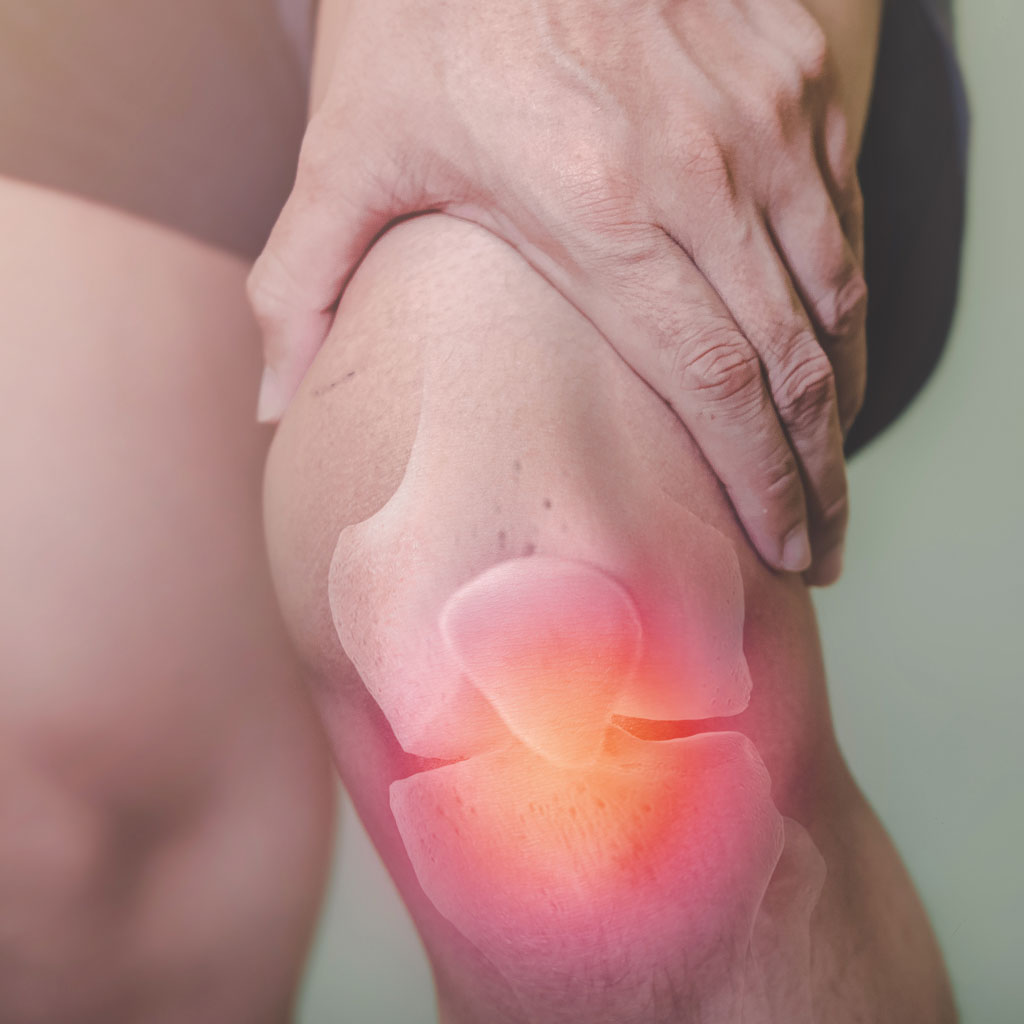
If knee pain from osteoarthritis has started dictating your daily life—what you can do, how long you can walk, even how well you sleep—you’ve probably been told that knee replacement is the inevitable next step.
But for many patients, it’s not the only option.
Genicular Artery Embolization (GAE) is emerging as a minimally invasive alternative that targets knee pain at its source—without surgery, implants, or long recovery periods. So how does GAE really compare to knee replacement regarding recovery, risks, and long-term results?
Let’s compare recovery, risks and resuls of GAE vs knee replacement.
What Is Knee Replacement?
Total knee replacement is a surgical procedure where damaged cartilage and bone are removed and replaced with a prosthetic joint. It’s commonly recommended for severe, end-stage arthritis when conservative treatments no longer help.
What Is GAE?
Genicular Artery Embolization (GAE) is a minimally invasive, image-guided procedure performed by an interventional radiologist. It reduces knee pain by decreasing abnormal inflammation-causing blood flow to the arthritic joint—without removing or replacing the joint itself.
GAE doesn’t “fix” arthritis, but it can significantly reduce pain and improve function.
Recovery From GAE vs Knee Replacement
This is often the biggest deciding factor for patients.
GAE Recovery
- Outpatient procedure (go home the same day)
- Typically takes 1–2 hours
- Small pinhole incision—no stitches
- Most patients resume normal activities within a few days
- Minimal physical therapy (often none required)
- Gradual pain improvement over weeks
For many patients, GAE recovery feels more like recovering from a diagnostic angiogram than a procedure.
Knee Replacement Recovery
- Hospital stay or surgical center admission
- Procedure takes several hours
- Significant post-operative pain and swelling
- Weeks to months of physical therapy
- Limited mobility for several weeks
- Full recovery can take 3–6 months (or longer)
Bottom line: When comparing GAE recovery vs knee replacement, GAE is dramatically shorter and less disruptive to daily life.
Risks of GAE vs Knee Replacement
Every medical procedure comes with risks, but the type and severity differ significantly.
Risks of GAE
GAE is considered very safe when performed by experienced specialists. Potential risks include:
- Temporary skin irritation or mild inflammation
- Minor bruising at the access site
- Rare risk of non-target embolization
- Very low infection risk
Importantly, GAE does not burn bridges—patients can still pursue knee replacement later if needed.
Risks of Knee Replacement
Knee replacement is effective, but it’s a major surgery. Risks include:
- Infection
- Blood clots
- Implant loosening or failure
- Nerve injury
- Chronic post-surgical pain
- Need for revision surgery (especially in younger patients)
When comparing the risks of GAE vs knee replacement, GAE carries fewer complications and avoids the risks associated with anesthesia and surgical implants.
Results: Pain Relief and Function
Results with GAE
Clinical studies show that many patients experience:
- Significant pain reduction
- Improved walking distance and mobility
- Reduced reliance on pain medications
- Better quality of life
Results can last months to years, and the procedure can be repeated if symptoms return.
GAE tends to work best for patients with:
- Mild to moderate osteoarthritis
- Inflammatory knee pain
- Pain that hasn’t responded to injections or physical therapy
- Desire to delay or avoid surgery
Results with Knee Replacement
Knee replacement offers:
- Structural correction of severe joint damage
- Long-term pain relief for many patients
- Improved joint stability
However, not all patients are completely pain-free after surgery, and some report ongoing stiffness or discomfort.
Who Is a Good Candidate?
GAE May Be Right If You:
- Want a non-surgical option
- Are not ready for knee replacement
- Have medical conditions that increase surgical risk
- Want faster recovery and less downtime
- Have persistent pain despite conservative care
Knee Replacement May Be Better If You:
- Have severe bone-on-bone arthritis
- Have significant joint deformity
- Have failed all other treatments
- Are comfortable with surgery and a long recovery
GAE vs Knee Replacement: A Side-by-Side Snapshot
| Factor | GAE | Knee Replacement |
| Invasiveness | Minimally invasive | Major surgery |
| Anesthesia | Local + light sedation | General or spinal |
| Recovery Time | Days to weeks | Months |
| Physical Therapy | Usually not required | Essential |
| Implant | None | Yes |
| Repeatable | Yes | Limited |
| Future Surgery Possible | Yes | Revision surgery only |
Key Takeaway
Knee replacement is still a valuable and effective option—but it’s no longer the only path forward.
When comparing GAE vs knee replacement, GAE offers:
- Faster recovery
- Lower risk
- No implants
- Minimal downtime
- The ability to delay or avoid surgery altogether
For patients who want pain relief without a long recovery or major surgery, GAE can be a powerful middle ground between conservative care and joint replacement.
If knee pain is holding you back, it may be worth asking: “Is surgery my only option—or just the last one?”
If knee osteoarthritis is preventing you from living your best life, visit our website at https://myprecisionir.com/contact-us/ or call us at 947-228-5500 to schedule a consultation. We’ll work with all members of your care team to find the treatment that is right for you.