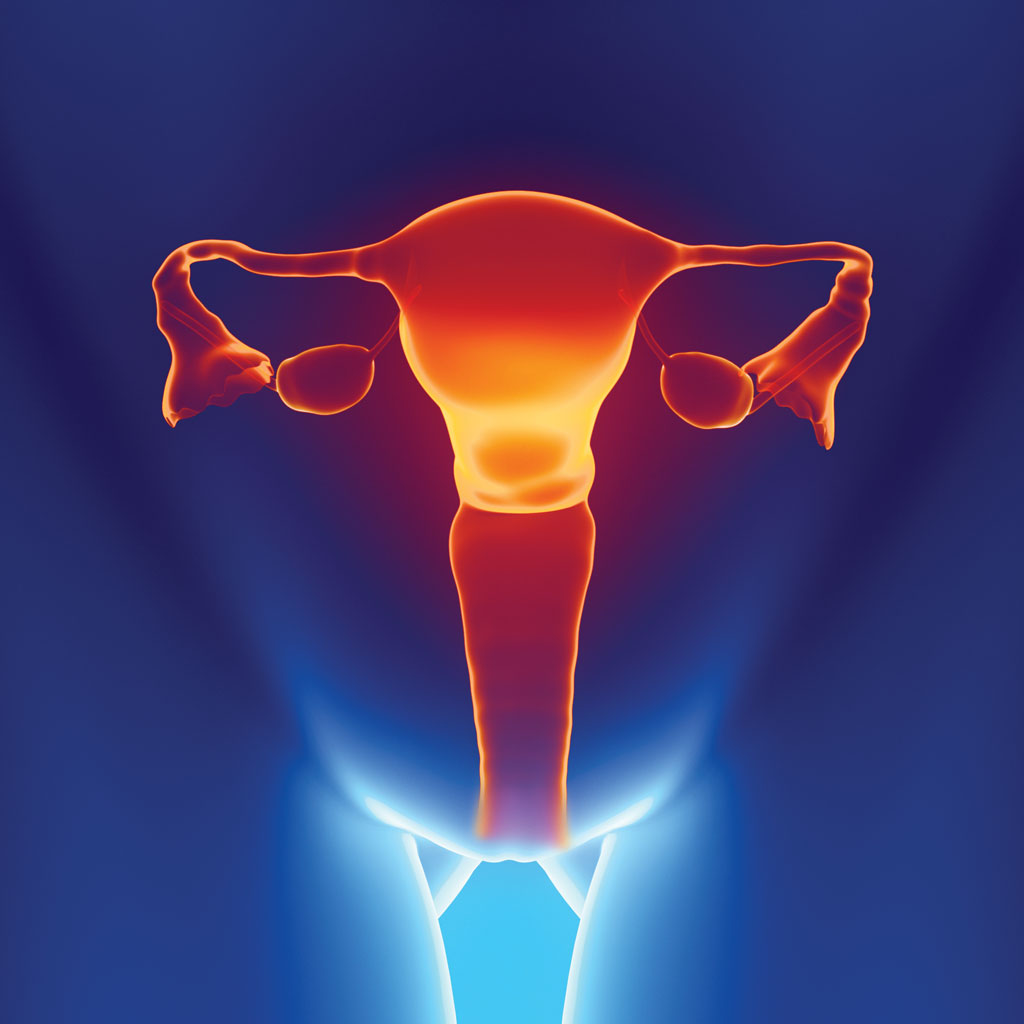
For decades, hysterectomy has been the go-to treatment for conditions like uterine fibroids, endometriosis, or certain cervical cancers.
While a hysterectomy can be life-saving in cases of cancer, many women are unaware of or not taught its lasting side effects, especially when used to treat non-cancerous conditions like fibroids. Today, women have more options than ever before—including treatments that don’t require major surgery.
The Hidden Impact of a Hysterectomy
A hysterectomy is a significant operation that can affect multiple aspects of your health and quality of life. Understanding the full picture helps you make a confident, informed choice.
Physical Recovery
Because a hysterectomy is a major surgery, healing takes time—often several weeks or longer. Pain, swelling, and fatigue are common during recovery. Depending on the surgical approach, risks may include infection, heavy bleeding, or blood clots. Many women also experience abdominal or pelvic discomfort long after the initial recovery period.
Hormonal Changes
When the ovaries are removed during surgery, menopause begins immediately, bringing symptoms like hot flashes, night sweats, mood swings, and vaginal dryness. Even when the ovaries remain, also known as a partial hysterectomy, changes in blood flow can sometimes cause hormone fluctuations and trigger menopause earlier than expected.
Long-Term Health Risks
Emerging research continues to highlight the potential long-term effects of hysterectomy. Studies, including those from the Mayo Clinic, have linked the procedure to an increased risk of cardiovascular disease and reduced bone density, which may raise the likelihood of osteoporosis later in life.
Emotional and Psychological Effects
The emotional impact of a hysterectomy is often underestimated. Many women describe feelings of loss—particularly if they had hoped to have children in the future. Hormonal shifts can also influence mood and emotional well-being.
Changes in body image and intimacy are common, too. Some women notice a decrease in libido or discomfort during intercourse, which can affect relationships and self-confidence.
There’s a Less Invasive Way to Treat Fibroids
For women seeking a uterus-sparing solution, Uterine Fibroid Embolization (UFE) offers a safe, effective, and minimally invasive alternative to hysterectomy.
During a UFE procedure, an interventional radiologist guides a tiny catheter through an artery in the wrist or groin to the blood vessels that feed the fibroids. Microscopic particles are then released to block the blood flow, causing the fibroids to shrink and symptoms to fade over time—all without removing the uterus.
UFE is:
✅ Minimally invasive. No large incisions or hospital stay required
✅ FDA-approved and covered by insurance
✅ Endorsed by the American College of Obstetricians and Gynecologists (ACOG)
Most women return to normal activities within a few days, with minimal discomfort and lasting relief from heavy bleeding, pelvic pain, and pressure.
Empower Your Health Decisions
If you’ve been told a hysterectomy is your only option for fibroids, you deserve to know there’s another way. The specialists at Precision IR perform advanced image-guided procedures like Uterine Fibroid Embolization that treat the condition at its source without major surgery or lengthy recovery.
Schedule a consultation with PrecisionIR today to learn if UFE is right for you.