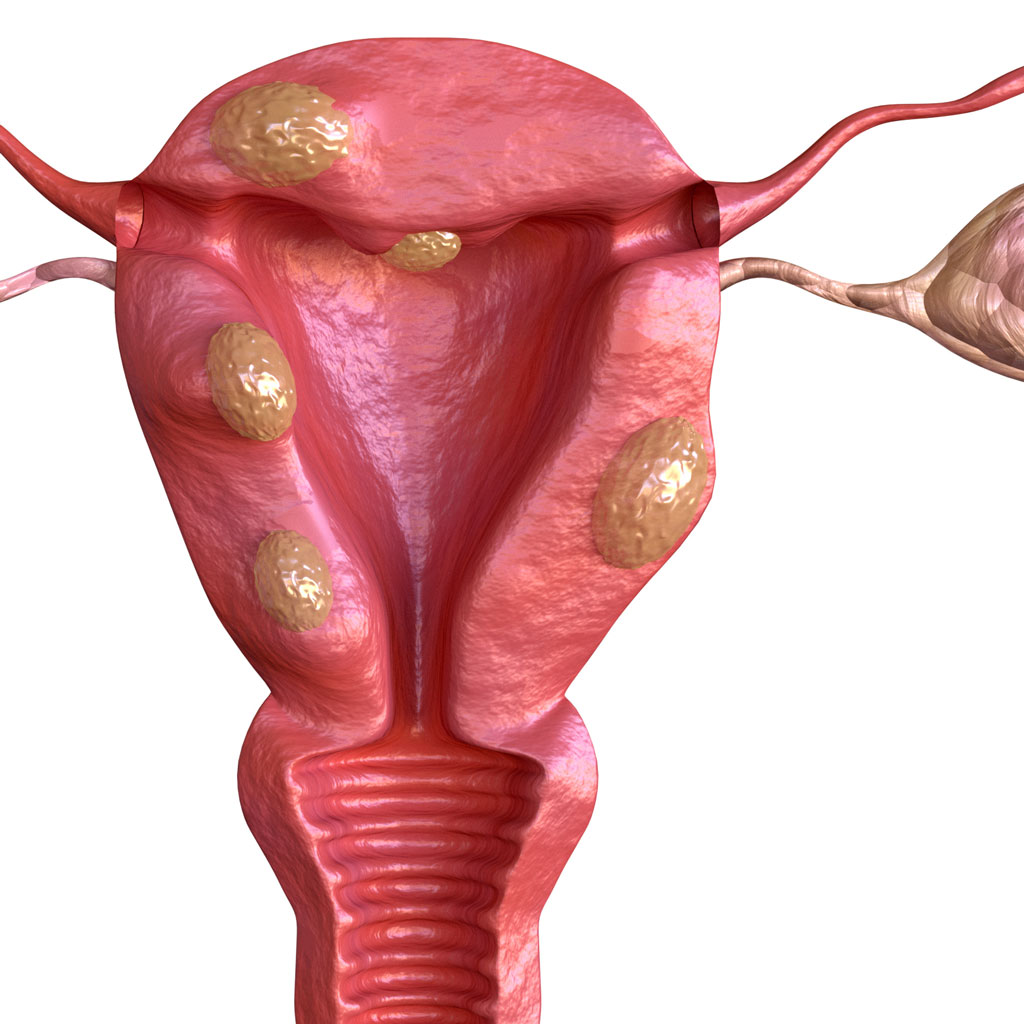
July is Fibroid Awareness Month, and if you’ve never really thought about fibroids before, now is the perfect time to get informed. Whether you’ve been recently diagnosed, suspect something might be off, or simply want to understand your body better, these 10 fibroid facts could genuinely change the way you think about your health.
1. Fibroids Are Incredibly Common
If you’ve been diagnosed with uterine fibroids, you’re not the only one. Studies estimate that up to 70–80% of women will develop fibroids by the time they reach age 50.¹ Despite being so widespread, fibroids are still wildly under-discussed. The good news? More women are speaking up, and awareness is growing.
2. Many Women Have Fibroids and Don’t Even Know It
Here’s something that surprises a lot of people: fibroids don’t always cause symptoms. Many women go years without knowing they have them. Fibroids are often discovered incidentally during a routine pelvic exam or ultrasound ordered for an entirely different reason.
3. Fibroid Symptoms Can Seriously Disrupt Daily Life
For women who do experience fibroid symptoms, they can range from mild to genuinely debilitating. Common fibroid symptoms include:
- Heavy or prolonged menstrual bleeding
- Pelvic pressure or pain
- Frequent urination
- Bloating or a feeling of fullness in the lower abdomen
- Pain during sex
- Lower back pain
- Difficulty getting pregnant or carrying a pregnancy to term
If any of these sound familiar, it’s worth having a conversation with your doctor. You shouldn’t have to white-knuckle your way through your period every month.
4. Heavy Bleeding Is the Most Common Complaint
Of all the fibroid symptoms out there, abnormally heavy menstrual bleeding is the one that sends most women to the doctor. We’re talking about soaking through pads or tampons within an hour, passing large clots, or bleeding for more than a week. This level of blood loss can lead to iron-deficiency anemia, causing fatigue, dizziness, and shortness of breath.
5. Fibroids Are Not Cancer (and Rarely Become Cancer)
This is one of the fibroid facts to put to rest right away: uterine fibroids are almost always benign (non-cancerous). The rare condition where a fibroid-like tumor is malignant is called uterine sarcoma, and it’s estimated to occur in fewer than 1 in 1,000 cases.² A fibroid diagnosis is not a cancer diagnosis. That said, symptoms should still be taken seriously and evaluated by a healthcare provider.
6. Certain Women Are at Higher Risk
While fibroids can affect women of all backgrounds, some factors increase the likelihood of developing them:
- Race: Black women are 2–3 times more likely to develop fibroids than white women, and they often develop them at a younger age with more severe symptoms.¹
- Family history: If your mother or sister had fibroids, your risk is higher.
- Age: Fibroids are most common during the reproductive years (30s and 40s).
- Obesity: Higher body weight is associated with increased fibroid risk.
- Diet: A diet high in red meat and low in fruits and vegetables may increase risk.
7. Surgery Is NOT Your Only Option
This is one of the big fibroid facts. Many women are told that hysterectomy (surgical removal of the uterus) is their best or only option, but that’s no longer true. There are several effective non-surgical fibroid treatment options available today, including:
- Medications to manage symptoms or shrink fibroids temporarily (like GnRH agonists or newer oral medications)
- Uterine Fibroid Embolization (UFE) – a minimally invasive procedure (more on that below)
- Endometrial ablation – for women who have fibroids and heavy bleeding but don’t want a hysterectomy
It’s always worth asking your doctor what all your options are before deciding on a treatment path.
8. Uterine Fibroid Embolization Is a Game-Changer
If you haven’t heard of uterine fibroid embolization (UFE), this is one of the fibroid facts worth knowing about!
UFE is a minimally invasive, non-surgical procedure performed by an interventional radiologist. Here’s how it works: a tiny catheter is inserted through a small nick in the skin (usually in the wrist or groin), and small particles are injected into the arteries that supply blood to the fibroids. Without a blood supply, the fibroids shrink and die, and symptoms improve significantly.³
The benefits of UFE include:
- No general anesthesia required
- No surgical incisions
- Short recovery time (most women return to normal activities within 1–2 weeks)
- The uterus is preserved (unlike hysterectomy)
- High success rate- studies show 85–90% of women experience significant symptom relief.³
UFE is FDA-approved and covered by most insurance plans. If you’re looking for a non-surgical fibroid treatment that’s effective and preserves fertility options, UFE is absolutely worth discussing with a specialist.
9. Fibroids Can Affect Fertility, But Treatment Can Help
Depending on their size and location, fibroids can sometimes interfere with conception or pregnancy. Submucosal fibroids (those that grow into the uterine cavity) are most likely to cause issues. The good news is that treating fibroids can improve fertility outcomes for many women. If you’re trying to conceive and suspect fibroids may be playing a role, a reproductive specialist or interventional radiologist can help map out the best path forward.
10. Advocating for Yourself Matters
Perhaps one of the most important fibroid facts of all: you have to be your own advocate. Too many women are told their symptoms are “normal,” dismissed, or offered only one treatment option without being given the full picture. If something feels wrong, trust your gut. Seek a second opinion. Ask about all available non-surgical fibroid treatment options. Look into whether uterine fibroid embolization is right for you.
Fibroid Awareness Month is a reminder that knowledge is power, and the more you know about fibroid facts, the better equipped you are to make decisions that are right for your body and your life.
Uterine Fibroid Embolization offers many women meaningful relief without major surgery, long recovery times, or permanent organ removal.
The specialists at PrecisionIR perform advanced image-guided procedures, like Uterine Fibroid Embolization, that treat the condition at its source without major surgery or a lengthy recovery.
Schedule a consultation with PrecisionIR today to learn if UFE is right for you.
Sources
- Stewart EA, Cookson CL, Gandolfo RA, Schulze-Rath R. “Epidemiology of uterine fibroids: a systematic review.” BJOG: An International Journal of Obstetrics & Gynaecology. 2017;124(10):1501–1512. https://doi.org/10.1111/1471-0528.14640
- Harlow BL, Weiss NS, Lofton S. “The epidemiology of sarcomas of the uterus.” Journal of the National Cancer Institute. 1986;76(3):399–402.
- Spies JB, Cooper JM, Worthington-Kirsch R, Lipman JC, Mills BB, Benenati JF. “Outcome of uterine embolization and hysterectomy for leiomyomas: results of a multicenter study.” American Journal of Obstetrics and Gynecology. 2004;191(1):22–31. https://doi.org/10.1016/j.ajog.2004.01.070