
1. Home
  2. Conditions and Treatments
  3. Osteoarthritis

Osteoarthritis of the Knee

Causes | Symptoms | Treatment

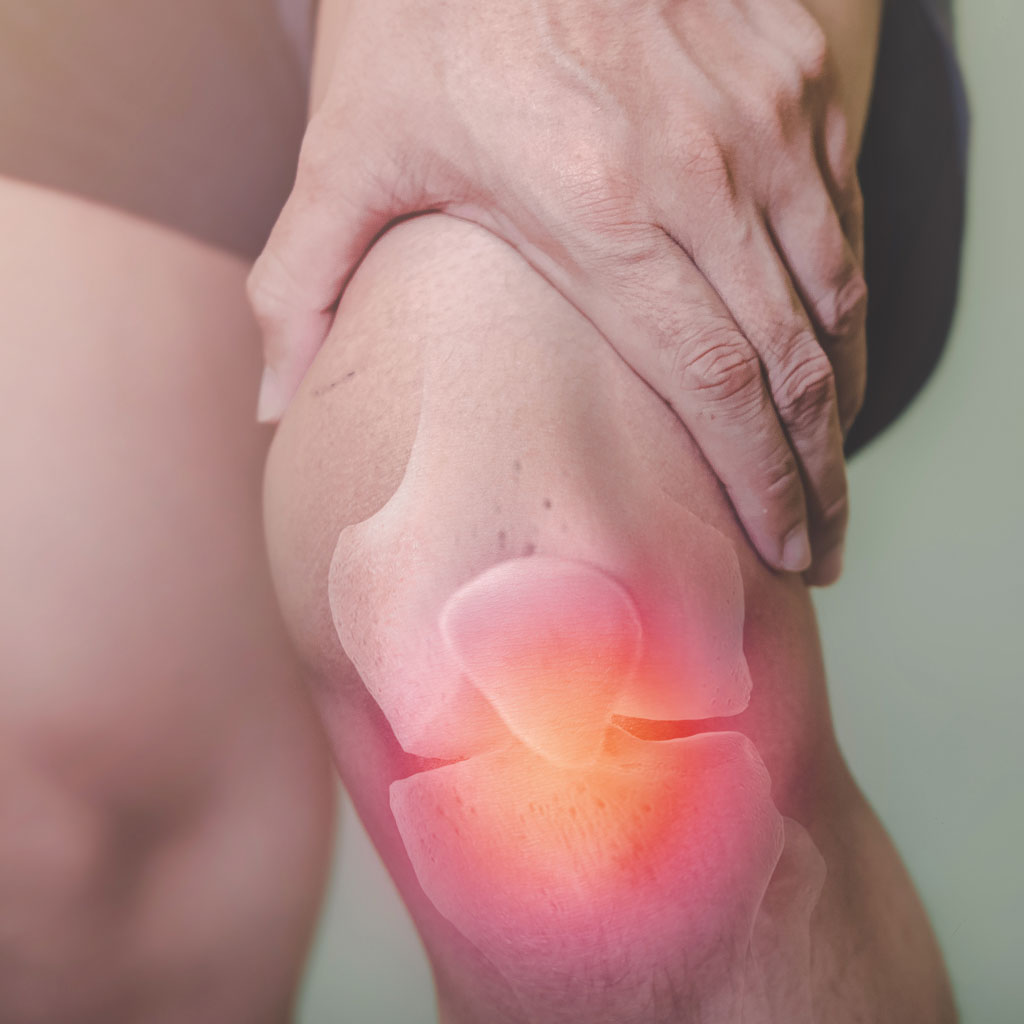
Osteoarthritis is a degenerative joint disease, characterized by the breakdown of cartilage within a joint. Knee cartilage is a tough, rubbery tissue on the ends of the bones within the knee that allows the joint to bend and move.

In the knee, when the smooth, protective cartilage breaks down, it can lead to pain and stiffness, as well as decreased mobility of the knee. It can even change the shape of your knee over time. Knee osteoarthritis develops slowly over time but will not get better on its own. Mistakenly called a “wear and tear” condition, it is actually a more complex process that leads to changes in the joint tissues and structures, including the development of abnormal blood vessels.

Knee Pain relief and treatment MI - osteoarthritis treatment
GAE vs Knee Replacement Knee Pain

What causes knee osteoarthritis?

In addition to cartilage breakdown, osteoarthritis can involve:

  • Inflammation of the joint lining (synovium)
  • Development of abnormal blood vessels
  • Changes to the surrounding bone and tissue
  • Swelling and stiffness within the knee

These inflammatory changes are a major reason many patients experience chronic pain even before severe joint damage occurs.

Common symptoms of knee osteoarthritis

Symptoms of knee OA can develop gradually and worsen over time. Common symptoms include:

  • Knee pain during activity
  • Pain when walking or climbing stairs
  • Knee stiffness, especially in the morning
  • Swelling around the joint
  • Reduced range of motion
  • Cracking or grinding sensations in the knee
  • Weakness or instability
  • Difficulty exercising or remaining active

As osteoarthritis progresses, symptoms can begin interfering with work, sleep, exercise, and quality of life.

Who is at risk for knee osteoarthritis?

Several factors may increase the risk of developing osteoarthritis of the knee, including:

  • Aging
  • Previous knee injuries
  • Obesity or excess weight
  • Repetitive stress on the joints
  • Family history of osteoarthritis
  • High-impact sports or occupations
  • Joint misalignment

Knee osteoarthritis affects millions of adults and is one of the leading causes of disability worldwide.1

Treatment options for knee osteoarthritis

Treatment for knee osteoarthritis depends on the severity of symptoms, imaging findings, activity level, and overall health.

Conservative treatment options

For mild symptoms, treatment may include:

  • Anti-inflammatory medications
  • Physical therapy
  • Weight management
  • Activity modification
  • Knee braces
  • Supplements
  • Steroid injections
  • Hyaluronic acid (“gel”) injections

Gel injections may provide temporary symptom relief for some patients, with benefits lasting up to six months.

Surgical treatment

For advanced osteoarthritis with severe cartilage loss, total knee replacement surgery may be recommended. While effective for many patients, surgery involves significant recovery time, rehabilitation, and potential surgical risks.

Minimally invasive treatment options

Patients who want to avoid surgery or who are not candidates for knee replacement may benefit from minimally invasive procedures such as Genicular Artery Embolization (GAE).

GAE targets inflammation inside the knee joint and may help reduce pain and improve mobility without surgery.

PrecisionIR’s patient-centric approach

Every patient’s arthritis is different. Treatment decisions should consider your symptoms, lifestyle goals, imaging findings, and overall health.

Our team works closely with patients and referring providers to determine whether conservative management, minimally invasive treatment, or surgery is the most appropriate next step.

If knee osteoarthritis is keeping you from living your best life, visit our contact page or call us at 947-228-5500 to schedule a consultation. We’ll work with all members of your care team to find the treatment that is right for you.

  1. Mott T, Latimer K, Edwards C. “Hemorrhoids: Diagnosis and Treatment Options.” American Family Physician. February 1, 2018;97(3):172-179. Accessed June 10, 2026. https://pmc.ncbi.nlm.nih.gov/articles/PMC7704420/
Skip to content