
1. Home
  2. [Treatments] Prostate Artery Embolization (PAE)

Prostate Artery Embolization (PAE)

Benefits | Typical PAE Patients | PAE FAQs | Clinical Studies | Candidate Quiz

Patients with severe benign prostatic hyperplasia (BPH) are sometimes told that invasive surgery is their only option for treatment. At PrecisionIR, we offer an alternative, more precise treatment for BPH that is proven to have high success with fewer sexual side effects.This convenient outpatient procedure can alleviate BPH symptoms for most men without the need for surgery.

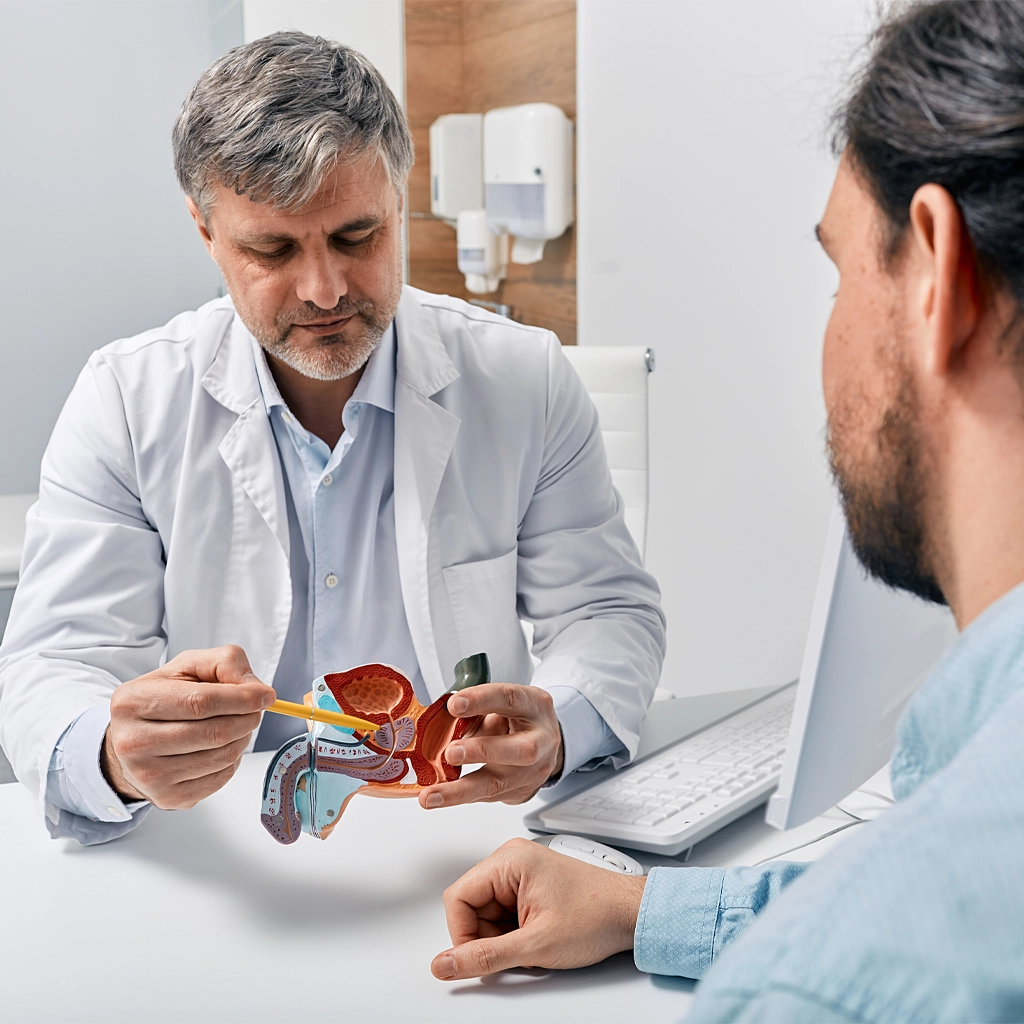
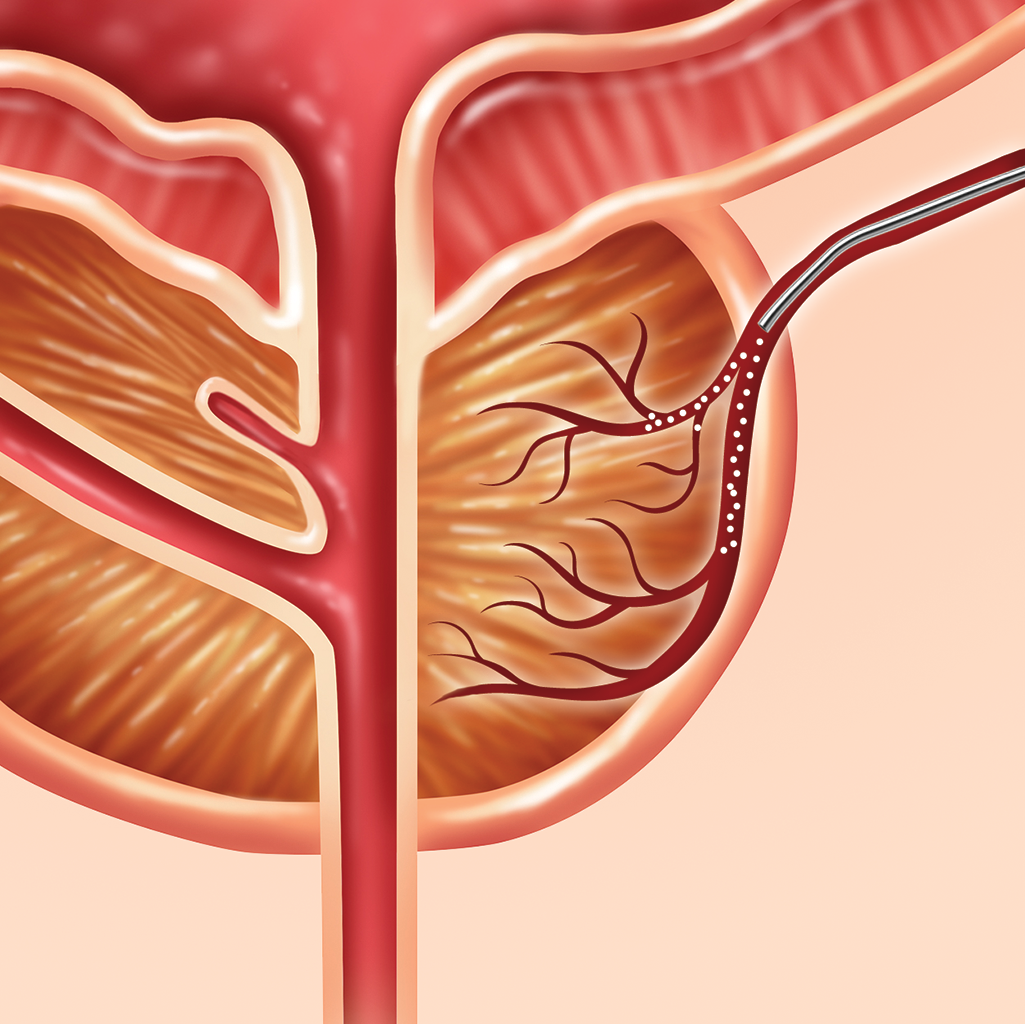
PAE is performed by an interventional radiologist who, using imaging guidance, inserts a tiny catheter into an artery in the patient’s upper thigh or wrist, and then guides it through the body’s blood vessels to the arteries supplying blood to the prostate. Tiny beads called ‘microspheres’ are released through the catheter and into the arteries, blocking blood flow to the prostate. With reduced blood flow, the prostate shrinks and symptoms are relieved.
prostate artery embolization (pae)

If the symptoms of BPH are keeping you from living your best life, visit our contact page or call us at 947-228-5500 to schedule a consultation. We’ll work with all members of your care team to find the treatment that is right for you.

Take our quiz to see if you qualify for PAE »

Benefits of PAE vs. TURP

Transurethral resection of prostate, or TURP, is the standard surgical treatment for BPH symptoms. TURP is performed by a urologist under general anesthesia in which they remove prostate tissue from within/around the urethra.

Prostate artery embolization offers an effective way to treat BPH symptoms without the increased risks of invasive surgery. Many randomized control trials have shown that TURP is associated with increased risks of bleeding, the requirement for in-patient hospitalization, and an increased rate of bladder catheterization when compared to prostate artery embolization.

The benefits of PAE include:

  • High success rate (75-95%)
  • No hospitalization required
  • No anesthesia needed
  • Shorter recovery
  • Minimal pain
  • Few reported side effects
  • Typically less expensive than surgery

Who Is a Typical PAE Patient?

Prostate artery embolization should be considered for patients who can no longer tolerate medical management, who have failed medical management, who are considered poor surgical candidates, or who wish to avoid invasive surgery. It also offers a definitive treatment option for multiple underserved patient groups, who may have previously not had satisfactory urologic options available. Examples include elderly patients with multiple comorbidities, patients with very large prostate glands, patients with indwelling urinary catheters, and patients who wish to preserve sexual function.

A typical prostate artery embolization patient is an active man over the age of 50 with symptoms that interfere with their everyday life. PAE is recommended for patients who:

  • Have failed medical therapy
  • Have an enlarged prostate gland (>50g)
  • Do not wish to have surgery
  • Have refractory hematuria (blood in the urine despite treatment)
  • Have chronic kidney disease due to an enlarged prostate

Take our quiz to see if you qualify for PAE »

Frequently Asked PAE Questions

Our experience regarding the success of the uterine fibroid embolization procedure has been very positive. It typically takes about three months for the full benefit of the procedure to be appreciated and the fibroids do continue to shrink for about six to nine months after the procedure. According to large studies, approximately 85% of women who undergo the uterine fibroid embolization procedure do see a significant improvement in their symptoms. If a patient does not see the desired effects, the procedure can be repeated, and the overall successful outcomes increase to over 95%.

As with all procedures, there are risks associated with PAE. The only external sign that a patient has undergone treatment will be a small incision mark on their wrist or their groin. Minor side effects are short-lived and usually resolve on their own. They can include difficult or painful urination, pelvic pain, blood in the urine, blood in the stool or diarrhea.

The recovery from prostate artery embolization is very fast. Patients are instructed to avoid strenuous activity for three days after the procedure, and most resume normal activities within one week.

PAE has a high success rate (75-95%). Patients may begin to see improvement within the first week and continue to improve over the next two to three months. Many studies have shown similar patient satisfaction results five years after the procedure when compared to the standard TURP surgical procedure.

One of the advantages with PAE is generally not having any effect on sexual function. While erectile issues are possible, the risk is extremely low.

While not common, it is possible to have a temporary decrease in the volume of semen. Rarely, patients can have retrograde ejaculation (dry ejaculation) where the semen is directed backwards into the bladder.

Urination will not improve right away. It typically takes about three weeks before you feel any improvement and will continue to improve for several months.

You may experience an increase in urinary frequency and urgency. Some people report burning with urination and bladder spasms. This is temporary and will go away.

For most people, side effect symptoms only last a few days. Sometimes symptoms can last longer. We provide medications to help with these symptoms, but they will not take them away completely. Please take medications as prescribed and drink plenty of water during this period.

You should wait three months after the procedure to have your PSA checked. The PAE procedure causes inflammation of the prostate which causes a temporary elevation of PSA. Checking too early will cause unnecessary worry because the result is not useful. As the prostate shrinks over time, your PSA will likely decrease to a new baseline.

Clinical Studies Supporting Prostate Artery Embolization

Conclusions:

  • Significant lower urinary tract symptom improvement
  • Comparable symptom relief to surgery

Clinical Study:
Samdeep Mouli et al. Prostate Artery Embolization for Benign Prostatic Hyperplasia J Urol. 2024 May 4;212(1):216–219. doi: 10.1097/JU.0000000000003976

Conclusions:

  • Superior to first-line medical therapy
  • Greater reductions in prostate volume, symptom scores
  • Improved quality of life

Clinical Study:
Nicholas Brown et al. The ‘Prostate Embolisation AS first-line therapy compared to medication in treatment naïve men with prostate enlargement, a randomized controlled trial of prostate embolization vs medication for BPH ( P-EASY ADVANCE) BJU International August 2024 134(S2):38-46 DOI:10.1111/bju.16479

Take our quiz below to see if you qualify for prostate artery embolization (PAE).

Fill out the form below to schedule a consultation with PrecisionIR physicians.

This field is for validation purposes and should be left unchanged.
Name(Required)
How soon would you like to schedule a consultation?(Required)

Skip to content